
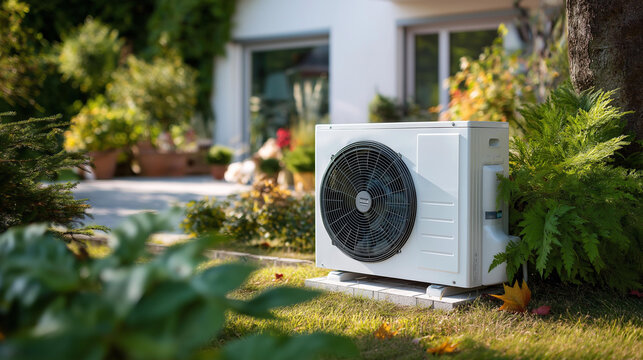
Why Salt Air Destroys Halifax NS Heat Pumps and How to Protect Your Outdoor Unit
Why Salt Air Destroys Halifax Heat Pumps and How to Protect Your Outdoor Unit
Protecting Your Halifax NS Heat Pump from Salt Air – Living in Halifax comes with many advantages, from beautiful coastal views to fresh Atlantic air. However, that same coastal environment presents a challenge for homeowners, particularly when it comes to maintaining outdoor heat pumps.
Salt carried by ocean air, persistent moisture, winter road salt and harsh coastal weather can gradually damage the metal components of an outdoor heat pump. Over time, this exposure can contribute to corrosion, reduced heating efficiency, expensive repairs and a shorter equipment lifespan.
You may not notice the damage immediately. Your heat pump might continue running normally, but gradually take longer to warm your home. Your electricity bills may increase, or you might notice rust developing around the outdoor unit.
By the time these symptoms become obvious, corrosion may already have affected important components.
If you own a property in Halifax, Dartmouth, Bedford, Eastern Passage or another coastal community in Nova Scotia, understanding how salt air affects your heat pump is an important part of protecting your investment.
In this guide, we explain why coastal conditions accelerate heat pump corrosion, the warning signs homeowners should look out for, and practical steps you can take to protect your outdoor unit.
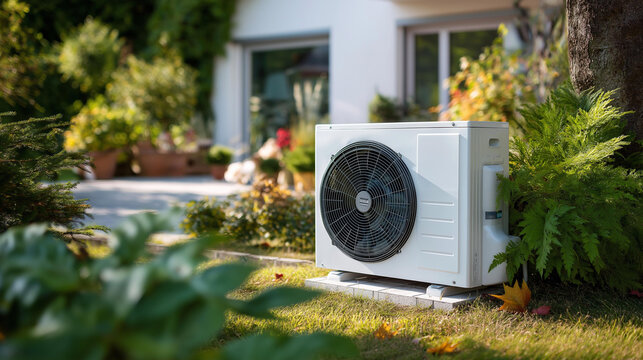
How Does Salt Air Cause Heat Pump Corrosion?
To understand why salt air damages heat pumps, it helps to know a little about how an outdoor unit is constructed.
Many conventional outdoor heat pump coils use two different metals:
- Copper tubes: These carry refrigerant through the heat exchanger.
- Aluminium fins: These help transfer heat between the refrigerant and the surrounding air.
Although this combination is effective for heat transfer, it can become vulnerable when exposed to salt and moisture.
When salt deposits accumulate on metal surfaces and become wet, they create an electrolyte that allows electrochemical corrosion to occur. Where copper and aluminium are in electrical contact, galvanic corrosion can also develop because the two metals have different electrochemical properties.
Aluminium is generally more susceptible to corrosion in this pairing.
One particularly vulnerable area is the fin collar, where the aluminium fin meets the copper tube. Corrosion in this area can weaken the connection between the two metals and gradually affect the heat exchanger’s ability to transfer heat.
Research published through Texas A&M University has documented severe corrosion in outdoor heat exchanger coils, including cases where aluminium fins deteriorated while copper tubing remained intact.
The problem does not always begin with an obvious hole or a visibly damaged component. It can develop gradually in areas that homeowners cannot easily inspect.
Salt-related corrosion can also affect copper tubing. If corrosion eventually penetrates the tube wall, refrigerant may escape, affecting the performance of the heat pump and potentially requiring expensive repairs.
This is why protecting your outdoor unit from salt exposure is about more than keeping it looking clean. It is also about preserving the components responsible for heating and cooling your home.
Why Halifax’s Coastal Climate Is Particularly Challenging for Heat Pumps
Not every coastal environment affects outdoor HVAC equipment in exactly the same way.
Halifax presents a combination of environmental conditions that can make heat pump maintenance particularly important.
1. Persistent moisture keeps salt deposits active
Salt deposits become more corrosive when moisture is present.
In dry environments, accumulated moisture may evaporate relatively quickly. However, Halifax experiences fog, drizzle, coastal humidity and frequent wet weather.
When salt remains on an outdoor heat pump and the surrounding surfaces stay damp, the conditions needed for corrosion can persist for extended periods.
This means the outdoor unit may experience repeated or prolonged exposure to moisture containing dissolved salts.
For homeowners, this makes regular inspection and cleaning particularly important.
2. Winter heating creates additional exposure
Heat pumps operate differently depending on whether they are heating or cooling your home.
During winter, an air-source heat pump extracts heat from the outdoor air. Its outdoor coil operates as an evaporator and becomes colder than the surrounding air.
Moisture can condense or freeze on the coil, which is why heat pumps periodically enter defrost cycles.
During defrosting, accumulated frost melts and water drains through the outdoor unit.
In a coastal environment, this repeated exposure to moisture can contribute to corrosion, particularly when salt deposits are already present.
The outdoor unit also has to contend with snow, ice and freezing temperatures, making appropriate installation and drainage important.
3. Road salt creates another source of corrosion
Living further inland does not necessarily mean your heat pump is protected from salt-related damage.
During winter, road maintenance crews use salt and other de-icing materials to keep roads safe.
Vehicles travelling along busy roads can carry salty water and spray into nearby properties.
For homes along the Bedford Highway, Quinpool Road and other busy routes, road salt may contribute to the contamination of outdoor equipment.
This means your heat pump can be exposed to both marine salt carried by ocean air and road salt from nearby traffic.
4. Coastal storms can increase salt exposure
Halifax and surrounding communities experience powerful coastal storms, including post-tropical weather systems.
Strong winds can carry saltwater spray further inland than it would normally travel.
During these events, outdoor equipment may be exposed to additional salt deposits, debris and moisture.
After a significant coastal storm, it is worth checking your outdoor heat pump for visible contamination, physical damage and drainage problems.
How Long Do Heat Pumps Last in Coastal Areas?
The lifespan of a heat pump depends on several factors, including equipment quality, installation standards, operating conditions, maintenance and exposure to environmental elements.
Coastal exposure can increase the risk of corrosion, particularly when outdoor units are installed close to the ocean without appropriate protection.
However, there is no single lifespan that applies to every Halifax heat pump.
Two systems installed in the same neighbourhood may experience very different outcomes depending on their design, positioning and maintenance history.
Some of the factors that influence equipment longevity include:
- Proximity to the ocean and exposure to salt spray.
- Whether the outdoor coil has a factory-applied corrosion-resistant coating.
- The quality of the original installation.
- How effectively water drains from the outdoor unit.
- The frequency of professional maintenance.
- Whether salt and debris are regularly removed from exposed surfaces.
Corrosion-resistant coatings can help protect vulnerable components, but they do not make a heat pump completely immune to salt damage.
Homeowners should also pay attention to the warranty. Some standard HVAC warranties exclude corrosion-related failures, while certain coastal equipment may offer specific protection.
Always review the manufacturer’s actual warranty conditions before purchasing a new system.
See Also – How often does your Halifax NS heat pump need to be cleaned?
5 Practical Ways to Protect Your Outdoor Heat Pump from Salt Air
Protecting your heat pump does not necessarily require expensive modifications. Several practical measures can help reduce exposure to corrosive materials and support the long-term performance of your equipment.
1. Choose a Heat Pump with Corrosion-Resistant Components
If you are installing a new heat pump in Halifax, consider equipment specifically designed for coastal environments.
Some manufacturers offer outdoor units with corrosion-resistant coil coatings, specialised cabinet finishes and other protective features.
Factory-applied coatings can provide protection to important heat exchanger surfaces, including areas that may be difficult to reach with aftermarket treatments.
When speaking with an HVAC installer, ask:
- Does the outdoor unit have a factory-applied corrosion-resistant coil coating?
- Has the coating been tested for salt spray resistance?
- What is the manufacturer’s recommended maintenance schedule?
- Does the warranty cover corrosion-related damage?
- Are there any restrictions relating to proximity to the ocean?
You may also encounter ASTM B117 salt spray testing when comparing equipment specifications.
This is a standardised laboratory test used to evaluate the corrosion resistance of materials and coatings under controlled salt spray conditions.
However, laboratory test hours should not be interpreted as a direct prediction of how many years a heat pump will last in Halifax.
The equipment’s complete specifications and warranty conditions matter just as much.
2. Install the Outdoor Unit in an Appropriate Location
The position of your outdoor heat pump can influence its exposure to salt spray, snow, ice and other environmental contaminants.
Where practical, avoid installing the unit directly beside busy roads, areas exposed to heavy vehicle spray or locations where saltwater runoff regularly accumulates.
The unit should also be installed at an appropriate height above ground level.
A raised stand can help keep the outdoor unit clear of accumulated snow and standing water, provided it is designed and installed according to the manufacturer’s requirements.
However, positioning should never compromise airflow, service access or structural stability.
Avoid placing the unit too close to walls, fences or other obstructions. Outdoor heat pumps need adequate airflow to operate efficiently.
An experienced HVAC installer can help identify a suitable position that balances accessibility, airflow, drainage and environmental exposure.
3. Rinse the Outdoor Unit Regularly
One practical maintenance measure for homes in coastal environments is removing accumulated salt and debris from the outdoor unit.
Fresh water can help wash away salt deposits before they remain on exposed metal surfaces for extended periods.
However, cleaning should always follow the equipment manufacturer’s instructions.
A gentle rinse may be appropriate for certain outdoor units, but avoid using a pressure washer. High-pressure water can bend delicate aluminium fins and damage sensitive components.
Before cleaning, consult your manufacturer’s instructions or ask an HVAC professional to demonstrate the correct procedure.
Avoid directing water towards electrical connections, control compartments or other components that should not be exposed to direct water.
The cleaning frequency will depend on your property’s exposure to salt spray, road salt and other contaminants.
Homes located very close to the coast may require more frequent attention than properties in less exposed areas.
After major coastal storms, consider arranging an inspection if your outdoor unit has been exposed to significant saltwater spray or debris.
4. Schedule Regular Professional HVAC Maintenance
Regular maintenance is one of the most effective ways to identify developing problems before they become expensive repairs.
During a professional inspection, an HVAC technician can assess the condition of the outdoor coil, cabinet, electrical connections, drainage system and other important components.
They can also identify signs of corrosion that may not be obvious to an untrained homeowner.
For properties in Halifax, it is particularly important to pay attention to:
- Rust around the outdoor unit’s base pan.
- Deteriorating aluminium fins.
- Salt deposits around the coil.
- Blocked drainage openings.
- Damaged protective coatings.
- Unusual operating noises or changes in heating performance.
Professional maintenance also provides an opportunity to check whether the system is operating according to its manufacturer’s specifications.
Rather than waiting until your heat pump stops working, establish a maintenance schedule that reflects your equipment type and local environmental conditions.
5. Be Careful with Aftermarket Protective Coatings
You may come across products marketed specifically for protecting outdoor HVAC coils from salt air and corrosion.
These products can offer an additional layer of protection when correctly selected and professionally applied.
However, aftermarket coatings are not necessarily suitable for every heat pump.
Some products may interfere with heat transfer, affect airflow or conflict with the manufacturer’s maintenance requirements if incorrectly applied.
They should not automatically be treated as a replacement for factory-applied protection.
Before applying any coating, check the equipment manufacturer’s recommendations and consult a qualified HVAC technician.
Most importantly, remember that protective coatings do not eliminate the need for regular cleaning and maintenance.
5 Warning Signs That Salt Air May Be Damaging Your Heat Pump
Corrosion does not always cause an immediate breakdown. In many cases, the damage develops gradually.
Knowing what to look for can help you arrange professional attention before the problem becomes more serious.
1. Rust Around the Outdoor Unit
Inspect the cabinet, base pan and exposed metal supports for signs of rust.
Pay particular attention to areas where water may collect or drainage may be restricted.
Visible rust does not automatically mean your heat pump needs replacing, but it should not be ignored.
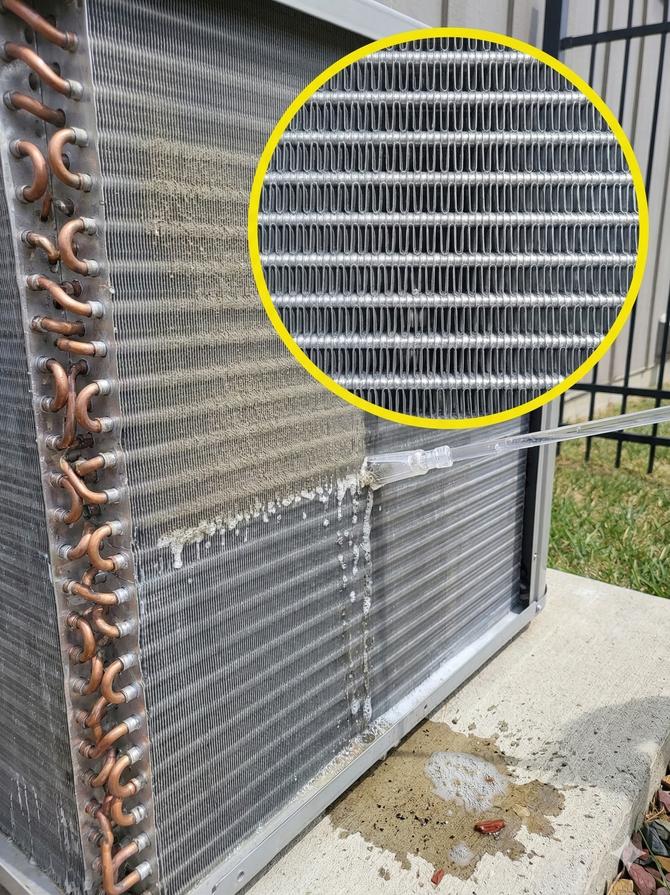
2. White or Powdery Deposits on the Coil
Salt deposits and corrosion products can sometimes appear as white or grey residue on exposed surfaces.
If you notice unusual deposits around the aluminium fins or connections, arrange an inspection.
Avoid rubbing or scraping delicate coil components, as this could cause additional damage.
3. Bent or Deteriorating Aluminium Fins
The aluminium fins help transfer heat through the outdoor coil.
Physical damage, corrosion and accumulated debris can affect airflow and heat transfer.
If you notice deteriorating or damaged fins, have the system assessed by an HVAC professional.
4. Increasing Energy Bills
An unexplained increase in electricity consumption may indicate that your heat pump is no longer operating as efficiently as it should.
Corrosion and restricted airflow can contribute to reduced heat transfer, but other issues can produce similar symptoms.
Dirty filters, refrigerant problems, poor airflow, incorrect settings and equipment faults should also be considered.
If your electricity bills are increasing without an obvious explanation, arrange a professional assessment.
5. Reduced Heating Performance
Does your home take longer to reach the temperature set on your thermostat?
Have you noticed that your heat pump struggles to maintain comfortable indoor temperatures?
These symptoms may indicate a problem with the outdoor coil, refrigerant circuit or another part of the heating system.
Do not assume corrosion is the cause without a proper diagnosis.
A qualified technician can identify the underlying problem and recommend the appropriate repair.
Should You Cover Your Heat Pump to Protect It from Salt Air?
This is a common question among homeowners living in coastal areas.
It may seem logical to install a small roof or enclosure over your outdoor unit to protect it from rain, snow and saltwater.
However, covering a heat pump without considering its design can create additional problems.
Outdoor heat pumps are designed to operate in exposed environments. They require adequate airflow and must be able to drain water effectively.
An enclosure that restricts airflow can affect system performance. Similarly, a cover that prevents natural rainfall from washing away accumulated salt may allow deposits to build up.
If you want to install a protective shelter, consult the manufacturer or a qualified HVAC professional first.
Any shelter must maintain the required airflow and service clearances and must not interfere with drainage or defrost operation.
The objective should be to reduce harmful exposure without creating new operating problems.
What Should Halifax Homeowners Ask Before Buying a Heat Pump?
If you are planning to install a new heat pump, choosing equipment based only on its purchase price or advertised energy efficiency may leave important questions unanswered.
Your outdoor unit will operate in a coastal environment, so it is worth discussing corrosion protection before signing an installation agreement.
Here are some useful questions to ask your installer:
Does the unit have corrosion-resistant protection?
Find out whether the coil and cabinet have protective finishes designed for the environmental conditions in your area.
What does the warranty cover?
Ask specifically about corrosion exclusions, coastal installation restrictions and maintenance requirements.
How should the unit be maintained?
Get clear instructions on cleaning, inspections and recommended servicing intervals.
Where should the outdoor unit be installed?
Discuss exposure to prevailing winds, road salt, snow accumulation, drainage and airflow requirements.
Are replacement parts readily available?
Understanding parts availability and service support can help you plan for the long-term ownership of your equipment.
These questions can help you make a more informed decision and avoid overlooking maintenance costs when comparing heat pump installations.
Final Thoughts: Protecting Your Halifax NS Heat Pump Starts with Preventive Maintenance
Salt air is an unavoidable part of living in Halifax and other coastal communities across Nova Scotia.
While you cannot control the weather or eliminate your property’s exposure to marine air, you can take practical steps to reduce the risk of corrosion affecting your outdoor heat pump.
Choosing equipment with appropriate corrosion protection, installing it correctly, following manufacturer cleaning instructions and arranging regular professional maintenance can all contribute to better equipment care.
Most importantly, do not wait until your heat pump stops working before paying attention to its condition.
Small maintenance issues can develop into expensive repairs when they are left unaddressed.
At GIO Property Management, we understand that maintaining a property in Halifax involves more than responding to problems when they arise. It also means identifying potential issues early and taking practical steps to protect the value and condition of your investment.
Whether you own a rental property or live in your own home, keeping your heating system properly maintained is an important part of responsible property ownership.
Need help keeping your Halifax property in good condition? Contact GIO Property Management to discuss your property maintenance needs and how we can help you protect your investment.
Frequently Asked Questions About Salt Air and Heat Pumps in Halifax NS
1. Does salt air damage heat pumps?
Yes. Salt carried by coastal air can accumulate on outdoor heat pump components. When combined with moisture, these deposits can contribute to corrosion of metal surfaces, including aluminium fins, copper tubing and cabinet components.
2. How can I protect my heat pump from salt air in Halifax?
Choose equipment with appropriate corrosion-resistant protection, ensure the outdoor unit is installed correctly, follow the manufacturer’s cleaning instructions and arrange regular professional HVAC maintenance.
3. How often should I clean my outdoor heat pump in a coastal area?
The recommended frequency depends on how exposed your property is to salt spray and other contaminants. Homes close to the ocean may need more frequent cleaning. Follow the manufacturer’s instructions and ask an HVAC professional to recommend a suitable maintenance schedule.
4. Does rain wash salt off a heat pump?
Rain can help remove some surface salt deposits. However, it should not be considered a substitute for proper cleaning and maintenance. Salt can remain in sheltered areas, around joints and in places where water collects.
5. Are corrosion-resistant heat pumps worth buying in Halifax?
Corrosion-resistant features can be valuable in coastal environments because they provide additional protection to vulnerable components. However, compare the equipment specifications, warranty coverage, installation requirements and maintenance recommendations before making a purchase.
6. Can a rusty outdoor heat pump still work?
Yes. A heat pump may continue operating even when some components show signs of rust or corrosion. However, visible deterioration should be inspected by a qualified technician to determine whether it affects the equipment’s safety, performance or structural condition.
7. Should I cover my outdoor heat pump during winter?
Most outdoor heat pumps are designed to operate throughout winter without being completely covered. An enclosure or cover that restricts airflow or interferes with drainage and defrost operation can cause problems. Always follow the manufacturer’s recommendations.
8. Does road salt damage outdoor heat pumps?
Yes. Road salt can contribute to corrosion when salty water or spray reaches exposed metal components. Properties close to busy roads or areas where de-icing materials are regularly used may require additional attention to outdoor equipment maintenance.
9. What are the signs that my heat pump needs professional maintenance?
Warning signs include unusual rust, deteriorating coil fins, reduced heating performance, unexplained increases in energy consumption, unusual operating noises and drainage problems. A professional inspection can help identify the cause.
10. Can regular maintenance extend the lifespan of a heat pump?
Regular maintenance helps identify developing problems, maintain airflow, remove accumulated debris and ensure the system operates according to manufacturer specifications. Although maintenance cannot prevent every equipment failure, it can help reduce avoidable wear and support long-term performance.
See – Giopros HVAC Services in Halifax – Top-Rated Heating and Cooling Services


Leave a Reply
Want to join the discussion?Feel free to contribute!