
5 Winter Problems Halifax Landlords Should Prevent
5 Winter Problems Halifax Landlords Should Prevent
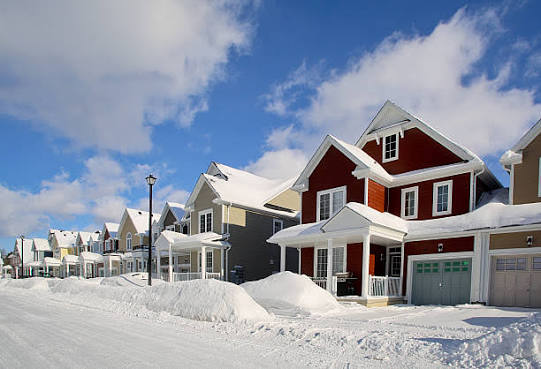
Winter in Halifax, NS can put considerable pressure on rental properties. Freezing temperatures, snow, ice, heating problems and prolonged cold can turn small maintenance issues into expensive repairs when they are not identified early.
For landlords, especially those who live outside Halifax or do not regularly visit their rental properties, winter property maintenance should be proactive rather than reactive.
Here are five winter problems Halifax landlords should be watching closely.
1. Frozen Pipes and Burst Plumbing
Frozen pipes are one of the most expensive winter problems a landlord can face.
When temperatures drop significantly, water inside vulnerable pipes can freeze and expand. The pressure can damage or rupture the pipe. Sometimes the serious damage does not become obvious until the pipe begins to thaw and water starts flowing into the property.
This can result in flooding, damaged flooring, wet drywall, mould concerns and costly emergency repairs.
Landlords should pay particular attention to plumbing located near exterior walls, poorly insulated areas, crawlspaces, garages and other cold areas of the property.
A proactive property manager should also know which properties have a history of frozen pipes and identify vulnerable areas before extreme cold arrives.
2. Heating System Failures During Extreme Cold
A heating system failure in the middle of a Halifax winter is more than an inconvenience for tenants.
If a furnace, boiler or heat pump stops working during a prolonged cold spell, the temperature inside the property can fall quickly. Beyond tenant comfort, inadequate heating can increase the risk of frozen pipes and other property damage.
This is why landlords should not wait for a tenant to report that the heating system is no longer working.
Heating systems should be checked before the coldest part of the season, with attention given to unusual noises, inconsistent heating, thermostat problems, blocked vents and other warning signs.
For landlords, the question should not simply be, “What happens when the heating fails?”
It should be, “What are we doing now to reduce the chance of a heating emergency later?”
3. Snow, Ice and Roof Drainage Problems
Heavy snow and ice can create problems that are easy to overlook until water begins entering the property.
Gutters and downspouts can become blocked with ice, snow or debris. When temperatures rise and snow begins to melt, water may not drain properly. This can contribute to leaks, ice buildup and water intrusion around the property.
Landlords should also watch for areas of the roof where snow repeatedly accumulates, signs of previous leaks and drainage problems around the building.
A winter inspection is therefore not simply about asking whether the roof looks fine. It is about identifying whether snow and melting water have a clear path away from the property.
4. Vacant Properties Without Adequate Winter Monitoring
A vacant rental property can become particularly vulnerable during winter.
There may be nobody inside to notice that the heating has stopped, a pipe has frozen, a window has been damaged or water has started leaking.
This is especially important for Halifax landlords who live outside the city or own properties they are preparing to rent.
Simply turning the thermostat on before leaving the property vacant is not enough. Landlords need to know that the heating is actually working and that the property remains in good condition throughout the winter.
Regular property checks can help identify problems before they become major losses.
For an out-of-province landlord, having someone physically check the property during periods of extreme weather can make a significant difference.
5. Snow and Ice Around Entrances, Walkways and Parking Areas
Winter maintenance does not stop at the walls of the building.
Snow and ice around entrances, stairs, walkways, driveways and parking areas can create safety concerns for tenants, visitors and service providers.
Landlords and property managers should have a clear plan for snow and ice management before winter storms arrive. That includes understanding who is responsible for snow removal, how quickly problem areas should be addressed and how major storms will be handled.
Waiting until someone reports an icy walkway is not a proactive maintenance strategy.
A good winter property management plan should identify these areas before they become a problem.
Winter Property Maintenance Is About Prevention
For Halifax landlords, winter property management is not simply about responding to emergency calls when something breaks.
It is about identifying the conditions that can cause damage and dealing with them before they become expensive problems.
Frozen pipes, heating failures, roof drainage problems, vacant properties and snow and ice hazards can all become more difficult and expensive to manage when they are discovered too late.
For landlords who live outside Halifax, regular property inspections and proactive winter maintenance can provide an important layer of protection for the property and the investment.


Leave a Reply
Want to join the discussion?Feel free to contribute!