
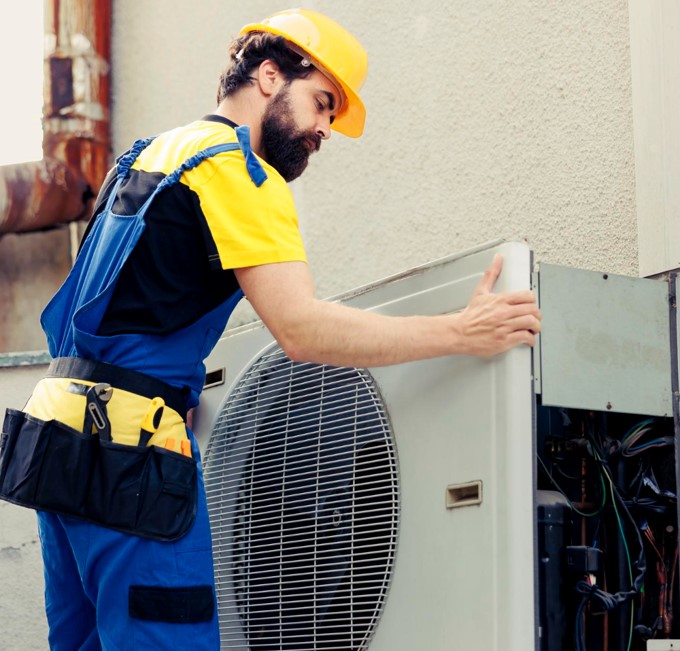
Renting in Halifax or Bedford in 2026? Don’t ignore the Heat Pump
Renting in Halifax or Bedford in 2026? Don’t ignore the Heat Pump – Many Canadians understand that surviving winter is often about the small, smart habits, like breathing through your nose instead of your mouth.
It may seem minor, but it makes a real difference. Your nose naturally warms and filters the cold air before it reaches your lungs, making it easier and more comfortable to breathe, especially during those freezing months in places like Halifax and Bedford.
That same idea applies to the kind of home you choose.
When searching for rental units in Halifax or Bedford, tenants should pay close attention to the heating system, especially heat pumps. A properly maintained heat pump does more than just produce warmth. It ensures consistent temperatures, improves indoor air quality, and keeps your space comfortable even during harsh Atlantic Canadian winters.
Before committing to any rental property, take a few minutes to check the heat pump. Ask about its maintenance history, test how quickly the unit heats up, and notice whether the warmth is evenly distributed across the space. Poor heating can turn winter living into a daily struggle, while a reliable system makes your home feel safe and inviting.
Choosing a move-in-ready unit with an efficient heating system in Halifax or Bedford is not just a convenience, it is essential for comfortable living.
Renting in Halifax or Bedford in 2026? Don’t ignore the Heat Pump
Essential Pre-Move Checks
- Identify the System Type: Before signing, confirm if the unit is a “Cold Climate” heat pump (rated for -25°C or lower) or a standard model. Standard models lose significant capacity below -5°C, which is common in Halifax winters.
- Locate the Backup Heat: Heat pumps in Halifax must have a secondary heat source. Ask if the backup is electric resistance “heat strips,” a gas/oil furnace (hybrid), or baseboard heaters. Electric strips are the most expensive to run.
- Check for an Outdoor Stand: Ensure the outdoor unit is mounted on a stand at least 12–18 inches off the ground. In a snowy coastal city like Halifax, units at ground level will get buried, choke the airflow, and eventually fail or “ice over.”
- Verify Duct Sizing: If it is a ducted system, ask if the ducts were upsized during installation. Heat pumps move a higher volume of air at lower temperatures than furnaces; undersized ducts will be noisy and inefficient.
- Audit the “Envelope” First: A heat pump provides a “gentle” heat compared to the “blast” of a furnace. In a drafty Halifax flat with old windows, a heat pump will struggle to keep up. Prioritize units in buildings with recent insulation upgrades.
- Clarify Utility Responsibilities: Confirm if the “delivery charge” for the energy source (especially if there is a gas or oil backup) is included in your rent or if you are paying the monthly connection fee just to have the backup available.
Operational Facts for Tenants
- “Set it and Forget it”: Unlike furnaces, heat pumps are most efficient when maintaining a constant temperature. Do not drop the temperature by 5 degrees at night or when leaving for work; the system will work twice as hard (and potentially trigger expensive backup heat) to recover.
- The “Lukewarm” Reality: The air coming from a heat pump vent feels “cool” (roughly 32°C–35°C) compared to a furnace (50°C+). This does not mean it isn’t working; it is simply moving more air at a lower temperature to reach the same goal.
- Ignore the “Defrost” Steam: During cold, humid days, the outdoor unit will occasionally reverse itself to melt ice off the coils. You may see steam or hear a “whoosh” sound. This is normal operation, not a malfunction.
- The Efficiency Drop-Off: At roughly -15°C to -20°C, many heat pumps reach a Coefficient of Performance (COP) of 1.0. This means they are no more efficient than a standard electric space heater. Expect your highest bills during these weeks.
- Snow Maintenance is Your Job: As a tenant, you are usually responsible for keeping the area around the outdoor unit clear of snow and ice. If the fins are blocked, the unit will stop heating or enter an endless, expensive defrost cycle.
- Filter Maintenance is Critical: Heat pumps require high airflow. A clogged filter can cause the system to shut down or trigger the backup heat prematurely. Check the filter monthly.
Cost and Comfort Strategy
- Monitor the “Balance Point”: If you have a hybrid system (heat pump + furnace), find out the “switchover” temperature. Running a heat pump at -15°C might be more expensive than using the backup fuel, depending on current electricity vs. oil/gas rates.
- Avoid “Emergency Heat” Mode: Your thermostat may have an “EMER” or “AUX” setting. Only use this if the heat pump has actually failed. Manually turning this on forces the system to use the most expensive heating method available.
- Expect Longer Run Times: Do not be alarmed if the heat pump runs for 15–20 hours a day during a Halifax cold snap. They are designed for long, low-power cycles rather than the short, high-intensity cycles of a furnace.


Leave a Reply
Want to join the discussion?Feel free to contribute!